
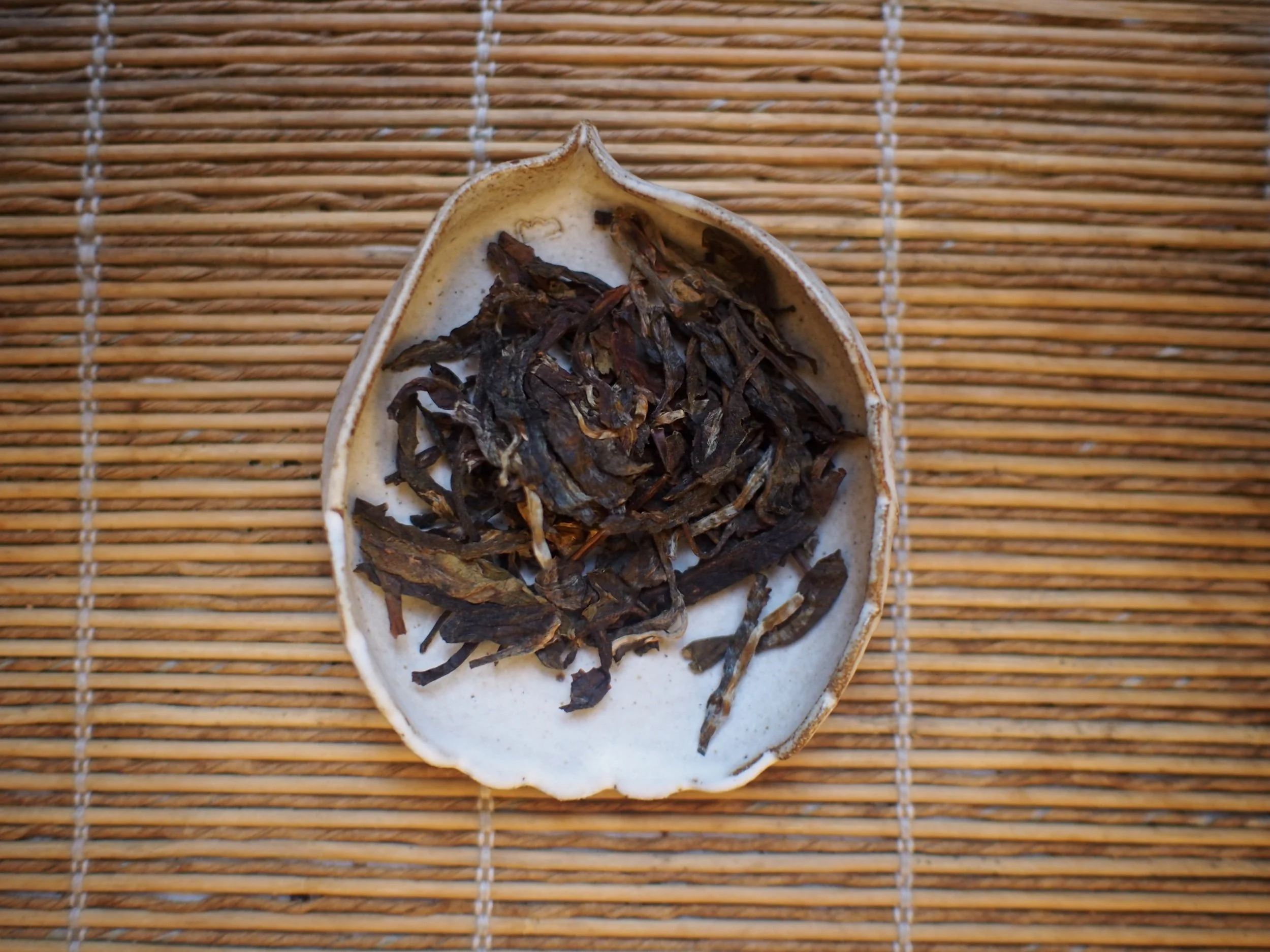
 Image 1 of 2
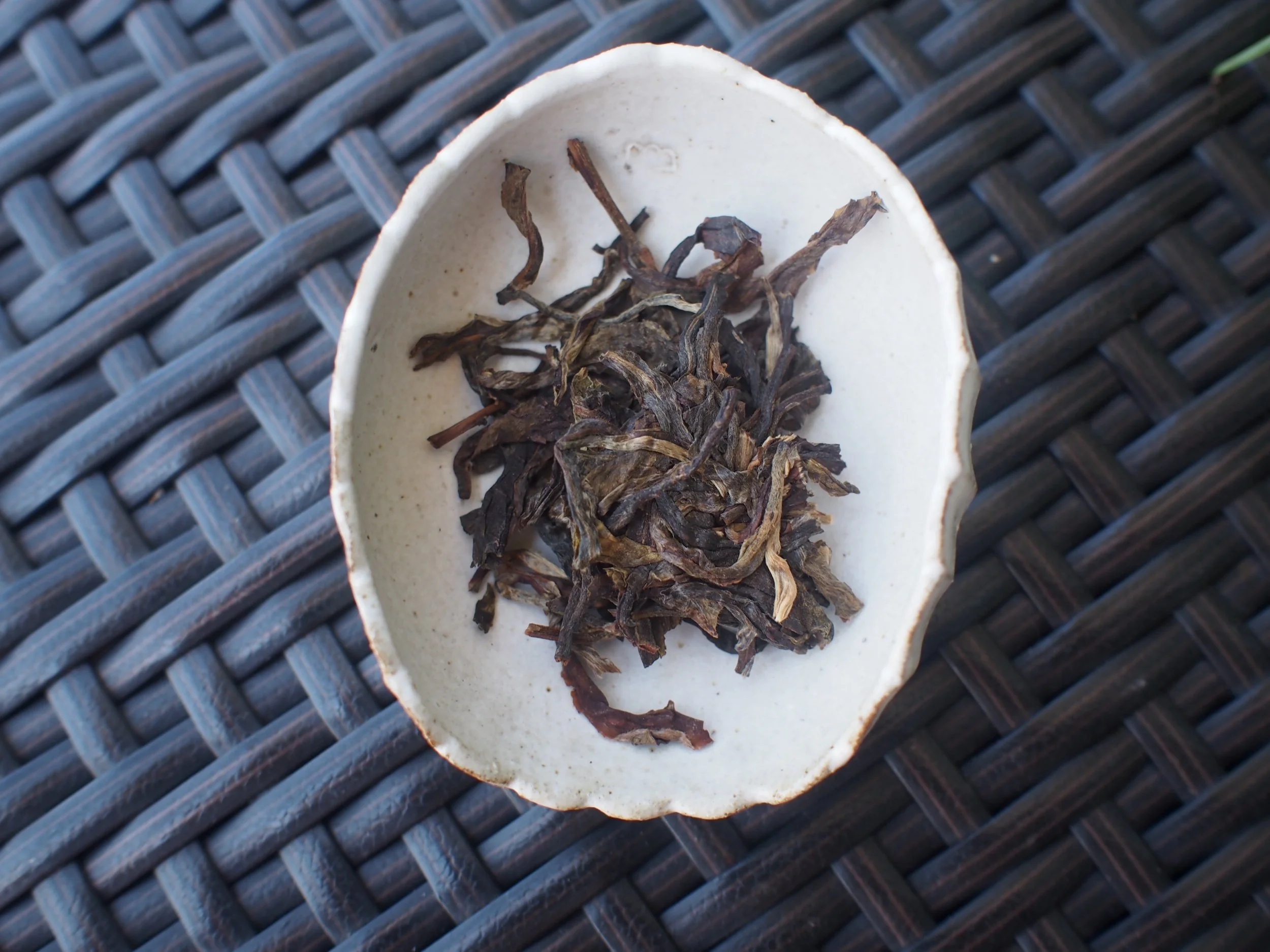 Image 2 of 2
2021 Lao Ban Zhang Raw Puerh 老班章生普洱
Origin: Raw puerh tea from Yunnan, China.
Tags: gushu puerh, sheng puerh
Origin: Raw puerh tea from Yunnan, China.
Tags: gushu puerh, sheng puerh
Suggested Brewing
It is for reference only. 5-7 grams tea, 100-120 ml and 212°F/100°C water, 15-20 second steep
>> get more information of our brewing guide
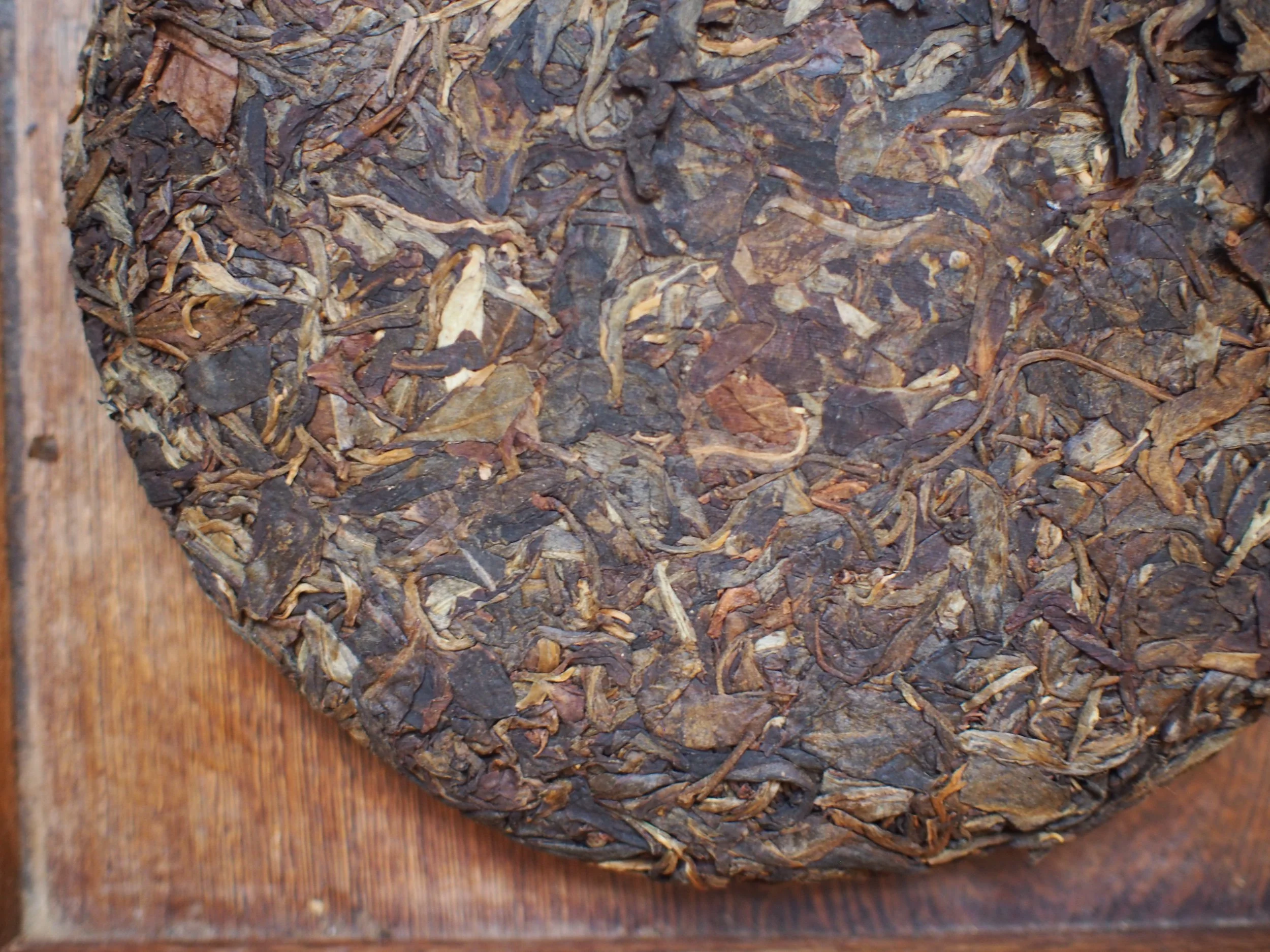
Origin: Raw Puerh tea from Bulang Mountain, Yunnan, China.
Tasting Notes: Tabaco, prunes, camphor
Harvest season: Spring 2005
Bulang is one of the famous mountains for the production of puerh tea. The teas from this region usually have a strong character. They are usually slightly bitter at first, yet layers of complexity come through and finish with a sweet aftertaste. 2005 Bulang Raw Puerh has a taste of aging, and the years of aging has made the bitterness a lot smoother. It has complex notes of tobacco and leather, sweetened by a mellow aftertaste of jujubes. The feeling of warmth fills the body very soon after sipping the tea and the sweet aftertaste lingers for long.
Each cake is 357 grams.
Tags: gushu puerh, sheng puerh

Origin: Raw puerh tea from Yunnan, China.
Harvest season: Spring 2007
This raw puerh is a blend of 12 mountains, a very well-crafted blend that creates a very harmonized tea. This tea is very dense, complex, and smooth. At first we tasted baked apples, slightly smoky and leathery. As we steep more, we can taste some darker fruits, camphor and slightly bitter, but the bitterness is quite pleasant and smooth due to its age. Everything seems to balance itself quite well, and we enjoy the weight and warmth of this tea in our stomach. Our shoulders start to relax more after a few cups of this tea. This 2007 Harmony Raw Puerh is great to enjoy now or age more.
Each cake is 400 grams.

Yiwu is known for one of the famous puerh region. This set is perfect for tea lovers who want to know more about Yiwu. They are great teas to enjoy on their own but would be more fun to compare and experience the differences in them .
The Yiwu Set includes 10g of each of the following:
2002 Yiwu Raw Puerh
2020 Wild Yiwu Raw Puerh
2020 Yiwu Raw Puerh
Tags: gushu puerh, sheng puerh

Origin: Raw puerh tea from Yunnan, China.
Tasting Notes: Bonfire, robust,camphor
Tags: gushu puerh, sheng puerh

Origin: Raw puerh tea from Yunnan, China.
Tasting Notes: Clean, oak wood, fresh jujube
Tags: gushu puerh, sheng puerh

Origin: Raw puerh tea from Yunnan, China.
Harvest season: Spring 2012
Mang Shui is one of the tea region in Yunnan, China, where is known for ancient tea trees that are at least hundreds of years old. This is also a relatively new region to us but we’re happy with this tea. This 2012 Mang Shui Raw Puerh has a very nice bold body because it’s produced using leaves from ancient trees. This tea is like white grapes, it’s sweet but with slightly bitter, yet the bitterness isn’t sharp at all due to the slightly aged of this tea. The tea ends with a camphor note, which gives it a very nice finish.
Tags: new arriavals, gushu puerh, sheng puerh
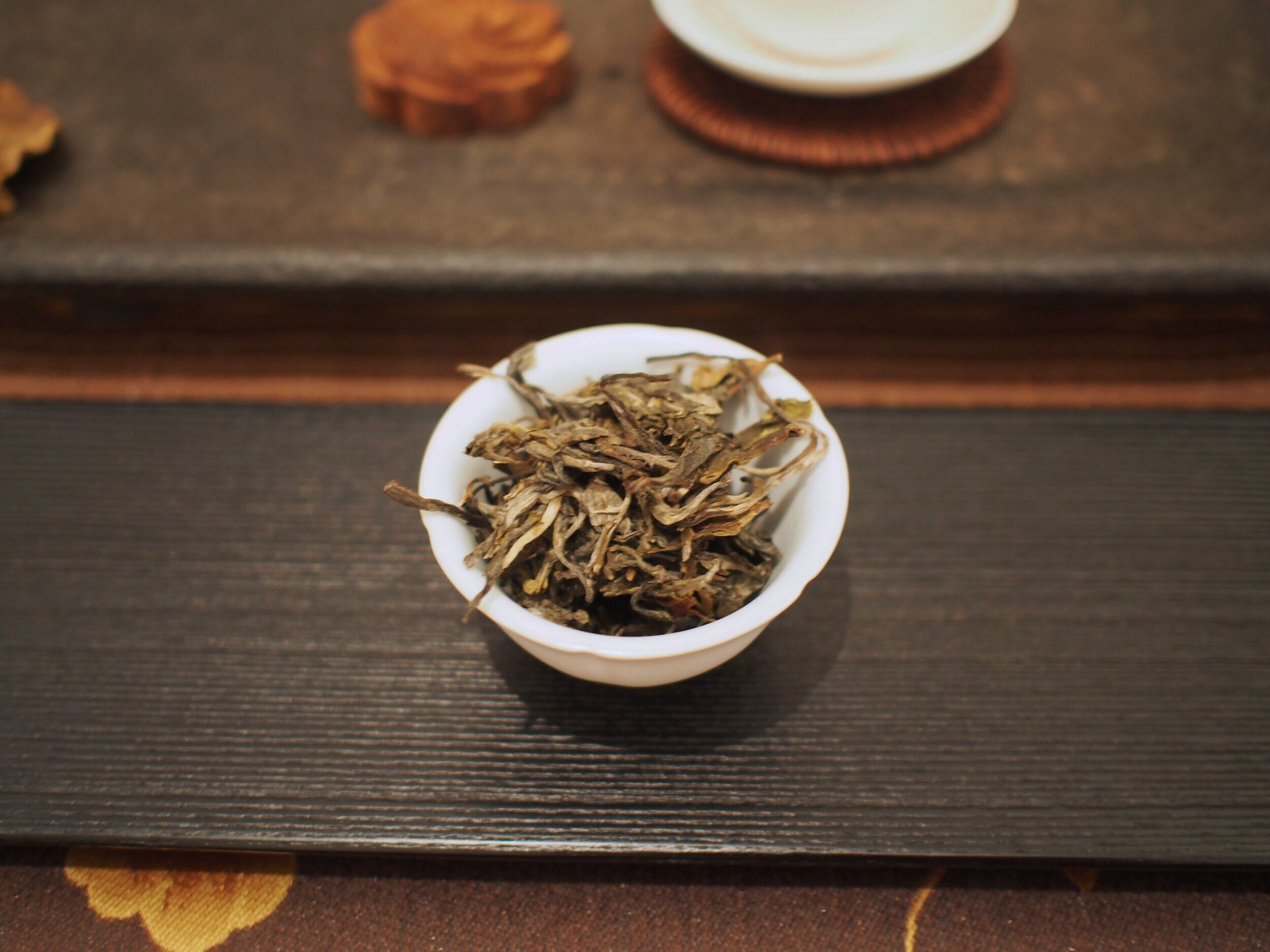
Origin: Raw puerh tea from Yunnan, China.
Tasting Notes: Apricot, wild flowers, honey, eucalyptus
Tags: new arriavals, gushu puerh, sheng puerh
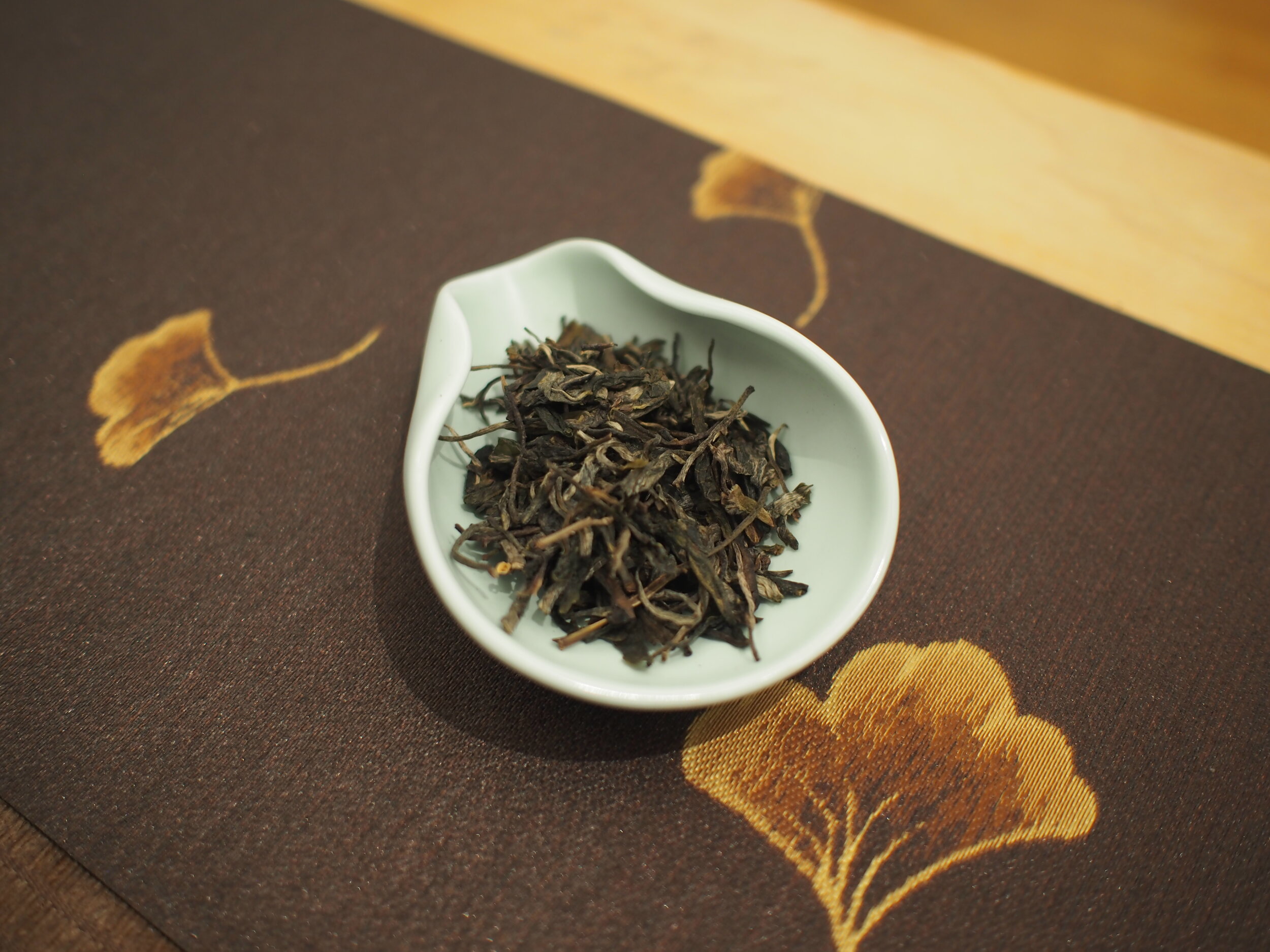
Origin: Raw puerh tea from Yunnan, China.
Tasting Notes: Bitter melon, snap peas, dates, mint
Harvest season: Spring 2020
2020 Manzhuan raw puerh is produced using ancient arbor tree leaves. It is a very delightful young raw puerh. It has the bitterness that young raw puerh has, but the bitterness fades away. The nuances in each steeping will remind you the beautiful spring time. You can linger over the freshness and sweetness throughout the tea.
Tags: gushu puerh, sheng puerh
Origin: Raw Puerh tea from Banpen village, Yunnan, China.
Harvest season: Spring 2026
Sourced from ancient tea trees in Banpen village.
Each cake is 357 grams.
Tags: gushu puerh, sheng puerh